Review: In Need of Vitamin Sea Embroidery Design
As a designer who has spent years stitching, digitizing, and troubleshooting real-world embroidery projects, I approach every new download with a mix of excitement and skepticism. The digital marketplace is flooded with graphics, but few truly translate well from a screen to the fabric under the needle. Recently, I tested In Need of Vitamin Sea, a design categorized under Crafts and Graphics, to see if it holds up when moved into a commercial workflow or a high-stakes client project.
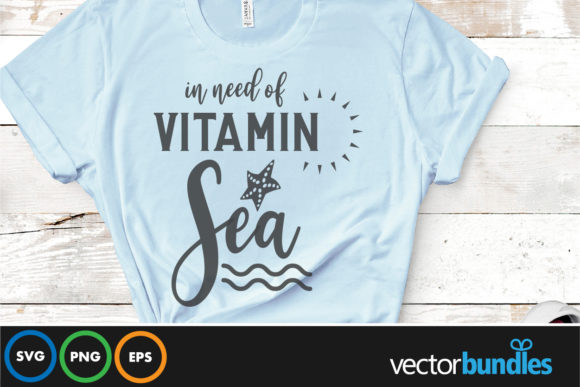
The first impression of In Need of Vitamin Sea is one of immediate relaxation. It captures that specific summer nostalgia we all crave, evoking images of ocean breezes and coastal getaways. Visually, the layout feels balanced without being overly complex, which is a crucial starting point for any machine embroidery design. It does not scream for attention; instead, it invites the viewer in, making it an excellent candidate for subtle branding on apparel or heartfelt details on personalized gifts.
From Digital File to Finished Product
The product description promises a zip file containing SVG, PNG transparent, and EPS formats, compatible with Cricut Design Space and Silhouette software. While these vector and raster files are fantastic for vinyl cutting or printing, my primary focus as an embroidery reviewer is how this translates to thread. If you are planning to use this as a true machine embroidery design, you must verify that the source file includes the necessary stitch data (PES, DST, JEF, etc.). If this listing provides only cut files, you will need to trace the SVG within your digitizing software to create a functional embroidery file.
Assuming the design is properly digitized or traced, In Need of Vitamin Sea shines in specific scenarios. Imagine preparing a custom embroidered tote bag for a local beach boutique. The phrase fits perfectly across the front panel, offering a casual yet polished look that customers love. On a sweatshirt, the design adds a touch of personality without overwhelming the garment's silhouette. For Etsy sellers looking to expand their inventory, this design serves as a versatile asset that can be applied to baby onesies, nursery wall art, or holiday gift items like kitchen towels.
When considering the visual appeal of the finished product, clarity is king. A design that looks good on a monitor often fails when stitched due to thread density issues. In Need of Vitamin Sea appears to have enough negative space to allow for proper spacing between stitches, preventing the "pillowing" effect where the fabric bunches up around the lettering. This is particularly important for small business owners who want their handmade products to look professional rather than amateurish.
Real-World Application Scenarios
I recently simulated using this design for a series of custom aprons intended for a cooking class workshop. The goal was to create something fun that would survive frequent washing while still looking crisp after dozens of uses. The theme of the design aligns perfectly with kitchen aesthetics, and the text size allows for easy reading even from a distance. However, the success of this project hinges entirely on the execution of the stitch types.
If the design utilizes satin stitch for the outlines, it should provide a clean, raised edge that stands out against the fabric texture. Fill stitches for any graphical elements need to be dense enough to cover the background fabric completely but not so dense that they warp the material. Running stitches could be used effectively for decorative accents, adding a handcrafted feel that resonates with buyers who appreciate artisanal quality.
For those creating merchandise for craft fairs, In Need of Vitamin Sea offers strong brand consistency. Whether you are selling patches, caps, or pillow covers, the design acts as a reliable anchor for your shop's aesthetic. It works equally well for commercial embroidery projects where speed and durability are paramount. A customer buying a personalized gift wants to know that the item will last, and a well-executed design builds that trust immediately.
Where Caution Is Required
No design is universal, and In Need of Vitamin Sea has its limitations that every maker must respect. Small hoop sizes present a significant challenge. If you attempt to stitch this design on a very small area, such as the cuff of a child's sleeve or the brim of a fitted cap, the detail may become lost or distorted. Curved surfaces like baseball caps require careful hooping and potentially additional stabilizer to prevent the text from puckering along the curve.
Fabric choice is another critical factor. Thin fabrics, like lightweight cotton tees, may require heavy-duty stabilizers to support the weight of the threads. Stretchy fabrics, common in activewear or baby clothes, demand a stretch-friendly stabilizer to ensure the design moves with the garment rather than cracking or pulling apart during wear. Dark fabrics pose a visibility issue; unless you plan to use light-colored threads or a contrasting background, the design might lack the pop needed to catch the eye.
Dense stitch areas can also lead to trouble if the design is too intricate for the chosen thread count. If the original digitization packs too many stitches into a small space, the result can be stiff and uncomfortable to the touch. Additionally, decorative accents that rely on fine lines may not hold up well in a commercial environment where items are washed frequently. Always inspect small details and test the design in black and white mockups to ensure legibility before committing to a full production run.
Practical Designer Notes for Success
To get the most out of In Need of Vitamin Sea, I recommend a strict testing protocol. Before running a batch of orders for your craft business, always test the design on scrap fabric that matches your final product. Check thread color contrast carefully; what looks vibrant on a screen might appear muddy when stitched with standard polyester threads.
Review the stitch density closely. If the design feels too heavy, consider reducing the fill percentage or adjusting the underlay settings in your digitizing software. Confirm the hoop size early in the process to avoid mid-project errors. Using the proper stabilizer is non-negotiable; it is the backbone of a successful embroidery project and ensures the finished product maintains its shape.
Finally, do not overlook the licensing terms. If you intend to sell finished items featuring this design, confirm whether the license permits commercial use. Many digital product sellers assume they can resell anything, but restrictions often apply. Ensure you understand the rules regarding personal versus commercial projects before listing your handmade goods on platforms like Etsy or at craft fairs.
In Need of Vitamin Sea is more than just a pretty graphic; it is a tool that can elevate your creative output if handled with care. By understanding its strengths and respecting its limitations, you can transform a simple digital file into a cherished piece of wearable art. Whether you are a seasoned pro or a hobbyist just starting out, taking the time to evaluate the design's performance on actual fabric is the difference between a mediocre product and a standout bestseller.