Be Kind Sunrise Design: A Real-World Embroidery Review
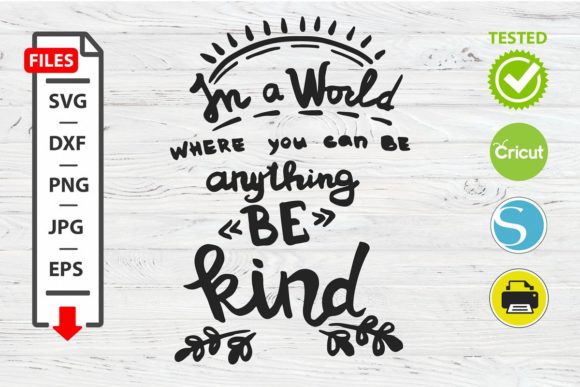
As someone who has spent years reviewing machine embroidery design files for everything from boutique branding to custom family heirlooms, I have learned that the best designs are not just about aesthetics; they are about execution. When I first encountered Be Kind Sunrise Design, my initial reaction was one of cautious optimism. The quote "In a world where you can be anything be kind" carries a heavy emotional weight, but in the world of stitching, sentiment alone does not guarantee a successful finished product. This review is based on how this specific digital artwork performs when moved from a screen into a real-world embroidery project.
The First Impression: Mood and Visual Personality
The visual personality of Be Kind Sunrise Design immediately suggests warmth and approachability. Unlike many graphic files that rely on complex imagery or heavy shading, this piece leans into typography and positive messaging. For an embroidery file, this is a double-edged sword. The layout feels airy, which translates well to breathable fabrics like linen or cotton jersey, but it requires careful planning regarding thread colors and stitch density. The concept of a sunrise implies gradients and soft transitions, yet standard embroidery stitches are blocky by nature. My first thought was whether the design could capture that soft glow without looking muddy after stitching.
This design naturally belongs in projects that prioritize message over flashiness. It fits perfectly into the realm of handmade product lines focused on wellness, nursery decor, or community-focused gifts. The mood is gentle, making it ideal for items intended to bring comfort rather than make a loud statement. However, the success of the final look depends entirely on how the designer handles the lettering and the potential sunrise elements within the software.
Real-Life Scenario: The Custom Tote Bag Project
To truly test Be Kind Sunrise Design, I imagined a practical scenario: preparing a batch of custom embroidered tote bags for a local craft fair. These were meant to be sold as Etsy seller merchandise, targeting buyers who appreciate artisanal goods with meaningful quotes. The goal was to create a personalized gift that felt professional enough to command a higher price point.
In this context, the design had to withstand the rigors of daily use. A tote bag is subject to friction, washing, and stretching. If the stitch density was too high, the fabric would pucker, ruining the clean lines of the quote. If the details were too fine, they might get lost in the weave of the canvas. I visualized the design placed centrally on a natural-colored canvas bag. The contrast between the thread and the fabric would be critical here. If the background was dark, the light threads needed to pop without looking thin. If the background was light, the text needed enough body to stand out against the texture of the material.
The result of such a project relies heavily on the underlying structure of the digital asset. Does the file break down the letters into manageable sections? Are there unnecessary jumps that could snag? In a commercial setting, every snag or loose thread represents a dissatisfied customer. The Be Kind Sunrise Design had to prove it could deliver a crisp finish that looked as good on a $30 tote bag as it did on a digital mockup.
Performance Across Different Applications
While the tote bag is a strong candidate, the versatility of this digital embroidery file extends further. It shines brightly in the category of baby embroidery. Soft baby clothes require designs that are comfortable against sensitive skin. Large, dense patches are often avoided in favor of softer, more integrated stitching. If Be Kind Sunrise Design utilizes a mix of satin stitch for outlines and fill stitch for emphasis, it could work beautifully on a onesie or a baby blanket, turning a simple garment into a cherished keepsake.
The design also holds promise for holiday embroidery projects. Imagine a set of kitchen towels featuring this quote, ready for a Christmas or Thanksgiving gift exchange. The theme aligns perfectly with the spirit of the season. Similarly, for small shop product owners, this design serves as excellent design assets for creating cohesive brand identities. Whether applied to custom apparel like sweatshirts or decorative pillows, the consistent message helps build brand recognition.
However, not every application is suitable. For embroidered patch creation, the design must be evaluated for edge stability. If the quote wraps around a curved edge or if the sunrise element tapers off too sharply, the backing might fail during the cutting process. Additionally, for apparel decorators working with stretchy fabrics, the stability of the design is paramount. A design that looks great on a rigid hoop might distort significantly once attached to a fitted t-shirt or a cap.
Where to Exercise Caution
There are specific scenarios where Be Kind Sunrise Design requires extra scrutiny. Small hoop sizes are a common pitfall. If the design includes intricate details or small lettering, attempting to fit it into a 4x4 inch hoop could result in a loss of clarity. The tiny curves of the letters might merge together, making the quote difficult to read. Furthermore, textured fabrics like bouclé or thick wool can hide the finer points of the embroidery. On these materials, the design needs to be bold and simple to ensure visibility.
Dark fabrics present another challenge. While the design offers formats like SVG and EPS, the actual embroidery outcome depends on thread choice. Using light threads on dark fabric without a proper underlay can lead to poor coverage and a grainy appearance. Conversely, on thin or sheer fabrics, the stabilizer required to hold the design in place might add unwanted bulk, altering the drape of the item. Curved surfaces, such as baseball caps, demand a design that follows the curvature without distorting the text. If the original file is flat, it may need significant adjustments to sit correctly on a hat.
Practical Designer Notes for Execution
Before committing to a full production run or selling a finished item, professional judgment dictates a rigorous testing phase. Always test the embroidery project on scrap fabric that matches your final material. This allows you to observe how the thread colors interact with the specific weave of the cloth. Check the stitch density closely; areas that are too dense will cause the fabric to bunch, while areas that are too sparse may look unfinished.
Review the hoop size requirements carefully. Ensure your machine can accommodate the dimensions of the design without needing to split it unnecessarily. Inspect small details under magnification to confirm that no stray threads or weak connections exist that could cause unraveling later. It is also wise to test the design in black and white mockups to verify that the composition works regardless of color variations. Compare how the design looks on both light and dark backgrounds to ensure maximum versatility.
Using the proper stabilizer is non-negotiable. For a design with a long quote, a cut-away stabilizer is often recommended to prevent puckering over time, especially for items that will be washed frequently. Finally, confirm the licensing terms before using Be Kind Sunrise Design for commercial purposes. Even though the file is available in formats like PNG and JPG for digital previews, the rights to sell physical items made from the embroidery file must be explicitly granted. Without clear licensing, you risk legal issues when offering craft business items.
Final Thoughts on Value and Appeal
The true value of Be Kind Sunrise Design lies in its ability to elevate a simple project into something meaningful. When executed correctly, it enhances the perceived quality of the finished product. Customers are drawn to items that feel personal and thoughtful, and a well-stitched quote can foster a deep connection between the maker and the buyer. It builds trust and reinforces the professionalism of a handmade brand.
However, this potential is only realized through careful preparation and technical skill. The design itself is a foundation, but the magic happens in the stitching. By understanding the limitations of the medium and respecting the nuances of fabric and thread, designers can transform this digital artwork into a tangible expression of kindness. Whether for a commercial embroidery job or a heartfelt gift, the effort put into perfecting the execution will always show in the final result.