No Pain No Gain: A Designer's Real-World Embroidery Review
As someone who has spent years stitching, designing, and reviewing countless embroidery files, I approach every new download with a mix of excitement and skepticism. The market is flooded with digital assets, but few truly stand the test of practical application. Today, I am putting the No Pain No Gain design under the microscope to see if it holds up in a real production environment. This isn't just about how the image looks on a screen; it is about how it translates from a digital vector into a tangible, high-quality finished product.
The First Impression: Mood and Visual Personality
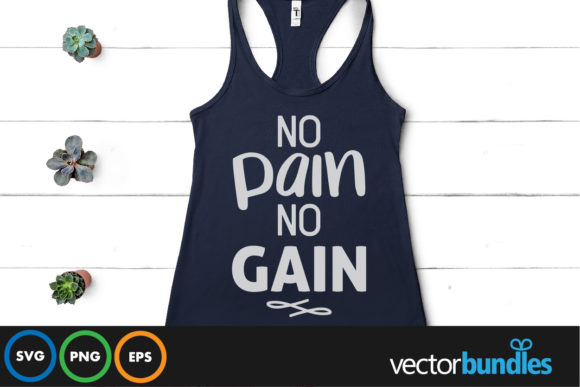
When you first open the zip file containing the SVG, PNG transparent, and EPS formats, the immediate feeling is one of bold confidence. The phrase "No Pain No Gain" carries a weight that resonates deeply with anyone involved in fitness, personal growth, or the hustle of running a creative business. Visually, the layout strikes a balance between aggressive motivation and clean typography. It does not feel cluttered, which is a common pitfall in many machine embroidery designs.
The shape and theme suggest a design that belongs in spaces where effort is celebrated. Whether it is a gym bag, a home office apron, or a custom sweatshirt, the visual personality fits naturally without feeling forced. For an Etsy seller or a small shop owner, this is crucial. The design communicates a message instantly, creating an emotional connection before the customer even touches the fabric. It feels like a piece of art that invites interaction rather than just decoration.
Real-Life Scenario: From Screen to Stitch
To truly understand the value of this asset, let us imagine a specific scenario. You are preparing for a holiday craft fair, and you have decided to create a line of personalized tote bags for busy moms and entrepreneurs. You want something that speaks to the late nights and early mornings required to run a craft business. You select the No Pain No Gain design for your custom apparel project.
You load the file into your software, likely Cricut Design Space or Silhouette Studio as indicated in the product details. The vectors are clean, but the real test begins when you thread your machine. Imagine placing this on a heavy-duty canvas tote. The contrast of the threads against the fabric texture becomes the focal point. If executed correctly, the satin stitch areas will provide a smooth, luxurious finish, while any fill stitch sections add depth and dimension. The result is a handmade product that feels premium, elevating the perceived value of your item significantly.
Now, consider a different angle: a baby onesie or a nursery pillow cover. Here, the tone shifts slightly. While the message remains motivational, the execution must be softer. The design works well here because it offers a modern twist on traditional nursery decor. However, the density of the stitches must be carefully managed so the fabric does not become too stiff for a baby's delicate skin. This versatility makes the No Pain No Gain graphic a strong contender for various embroidery projects.
Performance Across Different Materials and Products
The true mark of a great digital embroidery file is its adaptability. In my experience, this design performs exceptionally well on structured fabrics like denim caps, thick cotton sweatshirts, and sturdy aprons. These materials provide the necessary stability for the design to maintain its integrity. When used on a custom apparel item like a hoodie, the text stands out clearly, making it an excellent choice for commercial embroidery intended for resale.
For those looking to create embroidered patches, the clean lines of the typography allow for precise cutting and finishing. The design scales well, meaning whether you are creating a small lapel pin or a large chest logo, the proportions remain balanced. This scalability is vital for apparel decorators who need to ensure brand consistency across different product sizes.
However, the design is not a universal fit for every surface. On stretchy knits or very thin fabrics, the tension required to hold the design together can cause puckering. Similarly, on curved surfaces like baseball caps, the curvature might distort the lettering if the hoop size is not perfectly aligned. It requires a steady hand and proper technique to avoid these issues.
Where to Exercise Caution
There are specific scenarios where the No Pain No Gain design should be approached with care. Small hoop sizes often struggle with complex layouts, potentially losing detail in the corners of the letters. If the design includes tiny lettering or intricate decorative accents, these elements may get lost in the stitching process, especially on textured fabrics where the needle struggles to penetrate evenly.
Dense stitch areas can also be problematic on dark fabrics if the thread colors chosen do not offer enough contrast. A light thread on a black background might look muddy if the stitch density is too low. Furthermore, products that require frequent washing, such as kitchen towels or athletic wear, need robust stabilization. Without the right stabilizer, the design could unravel or lose its shape over time, damaging the reputation of your finished product.
Impact on Brand and Customer Trust
In the world of creative entrepreneurs, presentation is everything. A poorly executed design can undermine months of hard work. Using a well-structured file like No Pain No Gain signals professionalism. When a customer receives a gift or buys a boutique product, they notice the quality of the stitching. Clean edges, consistent tension, and clear legibility build trust and encourage repeat business.
This design enhances the giftability of your items. The motivational quote adds a layer of personalization that generic logos lack. It shows the recipient that you put thought into their needs, whether it is for a workout session or a new business venture. For printable mockups and digital previews, the transparency of the PNG format ensures that your marketing images look crisp and realistic, helping to drive engagement and sales.
Practical Notes for the Designer
Before you commit to a full production run, there are essential steps to take. Always test the design on scrap fabric first. This allows you to gauge how the thread colors interact with the material and check the stitch density. Review the file to confirm the hoop size requirements; if the design is larger than your machine's standard hoop, you may need to split the file or use a larger frame.
Inspect the small details closely. Ensure that the curves of the letters are smooth and that there are no jagged edges that could snag during stitching. Test the design in both black and white mockups to verify readability. Compare how it looks on light versus dark backgrounds to determine the best color combinations. Use the appropriate stabilizer for the fabric type—cut-away for stretchy materials and tear-away for stable wovens.
Finally, confirm the licensing terms before selling finished items or distributing the design assets. While the package includes SVG, PNG, and EPS files compatible with major software, understanding the commercial rights is non-negotiable for any small business merchandise strategy. By following these guidelines, you ensure that your embroidery project results in a high-quality outcome that honors the spirit of the No Pain No Gain message.