Goal Digger: A Designer's Review for Real Embroidery Projects
As someone who has spent years stitching, designing, and reviewing digital assets for the craft industry, I approach every new file with a mix of excitement and skepticism. When I first opened Goal Digger, my immediate thought wasn't about the file formats included—SVG, PNG, EPS, or DXF—but rather how this specific phrase would translate from a screen to thread. In the world of machine embroidery design, there is often a gap between what looks good in a vector program and how it holds up under the needle. This review cuts through the marketing fluff to discuss the practical reality of using Goal Digger in real-world projects.
The First Impression: Mood and Visual Personality
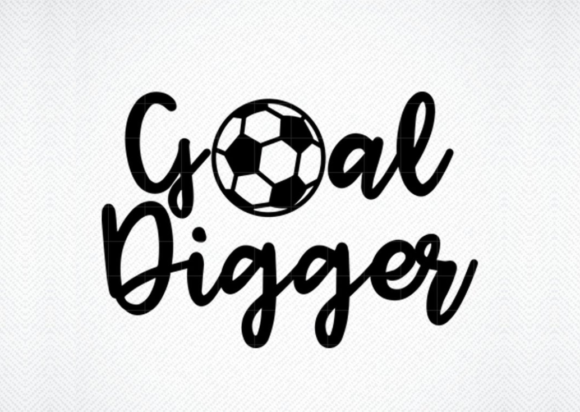
The moment you see the layout of Goal Digger, it radiates a specific energy that is perfect for sports fans, soccer moms, and ambitious entrepreneurs. The typography feels active and determined, creating a mood that is both encouraging and sporty. Unlike generic floral patterns or overly complex scenes, this design relies on the power of words to make its statement. It creates a sense of movement, which is crucial when translating text into embroidery.
In terms of visual personality, Goal Digger fits naturally into the category of Crafts and Graphics where motivation meets utility. It isn't just a quote; it is a badge of identity. For a designer, this means the piece has high potential for personalization. Whether you are making a gift for a child's first season on the field or branding a boutique apparel line, the design carries an inherent narrative. It suggests hard work, ambition, and a love for the game. This emotional connection is what separates a mass-produced sticker from a cherished handmade product.
Real-World Application: From Screen to Stitch
To truly evaluate this design, we have to imagine it in action. Let's say I am preparing a custom embroidered tote bag for a local youth soccer league tournament. The goal is to create a durable, stylish accessory that parents will actually use. When I place the Goal Digger design onto the canvas of the tote bag, the placement becomes critical. The design works exceptionally well on larger surfaces like sweatshirts, aprons, or pillow covers where the lettering can breathe.
However, the true test lies in the details. If I were to stitch this onto a baby onesie, the size of the letters relative to the garment matters immensely. The design needs to be scaled correctly so that the "d" and "g" don't crowd each other or become indistinguishable after the fabric puckers slightly during stitching. In a scenario involving a commercial embroidery project for a small shop selling merchandise, the clarity of the text is paramount. Customers scanning an Etsy listing need to read the message instantly. Goal Digger delivers on this front, offering a clean aesthetic that translates well into a finished product.
I also considered using this for a holiday gift, perhaps on a kitchen towel for a coach who loves to cook. The contrast between the sporty theme and the domestic setting creates a charming juxtaposition. The design acts as a focal point, elevating a simple tea towel into a thoughtful, personalized gift. For an Etsy seller, this versatility is gold. One digital file can spawn dozens of different products, from caps and patches to blankets and nursery decor.
Navigating Technical Challenges and Fabric Choices
While the concept is strong, execution requires technical finesse. Not every fabric plays nice with every design. When working with Goal Digger, I advise caution with textured fabrics. Heavy waffle knits or boucle materials can distort the letterforms, making the text difficult to read. Similarly, thin fabrics like lightweight cotton voile require extra care. Without proper stabilizer, the tension of the satin stitch could pull the fabric, causing the letters to warp.
Stretchy fabrics present another hurdle. If you attempt to embroider this directly onto a jersey without adequate backing, the hoop marks may remain visible, and the design could pucker significantly over time. For curved surfaces like baseball caps, the curvature of the cap might obscure parts of the text if the design is too wide. In these cases, scaling down the Goal Digger SVG or adjusting the digitizing parameters is essential.
Dense stitch areas are common in block lettering. If the fill stitch density is too high, the fabric underneath can become stiff and uncomfortable. This is particularly important for children's clothing or items meant for frequent washing. A design that feels like cardboard after ten washes will damage your reputation as a maker. Therefore, checking the stitch density before final production is a non-negotiable step.
Visual Appeal and Product Value
How does Goal Digger affect the perceived value of the item? High-quality embroidery adds a tactile dimension that printing simply cannot match. When a customer touches a sweatshirt with a raised, precise Goal Digger logo, they perceive higher quality. This tactile feedback builds trust and justifies a premium price point. It signals that care was taken in the creation process.
For brand consistency, the design offers a professional look that aligns well with modern, bold aesthetics. It helps establish a cohesive identity for a craft business. When used in printable mockups or digital previews, the clean lines of the design ensure that the digital representation accurately reflects the final stitched result. This honesty prevents buyer disappointment and reduces returns. Furthermore, the design's motivational nature makes it highly giftable, expanding the market beyond just sports enthusiasts to include anyone looking for an inspirational gift.
Practical Notes for the Embroidery Designer
Before you start stitching, here is my advice based on experience with similar files. Always test the design on scrap fabric first. This allows you to gauge the thread color contrast against your chosen material. Black thread on dark fabric might disappear, while white on black might show fraying. Review the stitch density carefully; if the letters look too solid, consider loosening the fill settings.
Confirm your hoop size matches the design dimensions. A design that is too large for your machine's hoop will require multiple hooping steps, which can lead to alignment issues. Inspect small details, especially in the corners of the letters, to ensure they won't break off during wear. Test the design in black and white mockups to check legibility before committing to expensive threads.
Use the right stabilizer. Cut-away stabilizers are generally best for stretchy fabrics, while tear-away works well for stable woven materials. Check whether the design works for both personal and commercial projects by verifying the license terms provided with the download. Ensure you understand the rules for selling finished items versus reselling the digital file itself.
If you are an Etsy seller or a small shop owner, remember that the Goal Digger design is more than just a graphic; it is a tool for storytelling. By paying attention to fabric selection, stabilization, and finishing techniques, you can transform a simple SVG into a masterpiece. Whether you are crafting a custom patch, decorating a baby item, or producing boutique merchandise, this design offers a solid foundation for success.
Ultimately, the value of Goal Digger lies in its adaptability and its ability to convey a clear, powerful message through the medium of thread. With careful planning and attention to detail, it can elevate any embroidery project from a hobbyist experiment to a professional product worthy of pride.