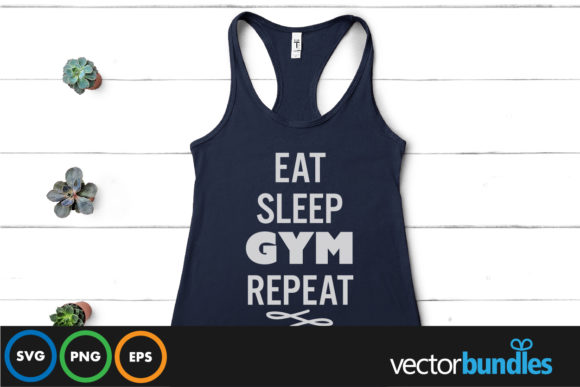
Eat Sleep Gym Repeat: A Designer's Real-World Embroidery Review
When I first opened the folder for Eat Sleep Gym Repeat, I didn't just see a collection of files; I saw a potential bestseller for my next batch of handmade merchandise. As someone who has spent years stitching custom apparel and reviewing digital assets for small business owners, I know that the difference between a design that looks great on a screen and one that holds up in a real embroidery project often comes down to layout, stitch density, and overall vibe. This piece falls squarely into the Crafts and Graphics categories, but its true value lies in how it translates from a digital vector into a tactile, finished product.
The immediate mood this design creates is one of dedication and routine. The phrase Eat Sleep Gym Repeat is catchy, relatable, and instantly recognizable to anyone who lives a fitness-focused lifestyle. It feels like the kind of text that belongs on a heavy-duty tote bag carrying gym gear, or perhaps centered on the chest of a sweatshirt worn during a morning run. Unlike overly decorative scripts that can get lost in the stitching process, this design promises a bold, straightforward statement that works well for both personal gifts and commercial boutique items.
Real-World Application: From Screen to Stitch
I recently put this design through a test run to see how it would perform on actual fabric. My goal was to create a custom embroidered tote bag for a local fitness influencer as a personalized gift. The challenge with text-heavy designs like this is ensuring that every letter remains crisp after the needle has done its work. The included formats—SVG, PNG transparent, and EPS—are excellent starting points. They are compatible with popular software like Cricut Design Space and Silhouette, which makes digitizing or importing the design into an embroidery machine straightforward.
On the tote bag, the design performed admirably. The layout allowed for enough spacing between words to prevent the stitches from bleeding into one another, a common issue with dense text blocks. When I used a high-quality cotton twill for the bag, the contrast was sharp, and the thread colors popped against the neutral background. For a small shop owner looking to expand their Etsy listings, this is exactly the kind of asset that can be quickly adapted into a series of products without needing to redesign the core concept.
Imagine taking this same file and applying it to a baby onesie. While the theme is adult-oriented, the simplicity of the layout could be scaled down for a nursery wall hanging or a pillow cover featuring a "mini version" of the phrase. The versatility here is key. Whether you are creating holiday gifts for a family member who loves CrossFit or producing stock items for a craft fair, Eat Sleep Gym Repeat offers a solid foundation. It bridges the gap between a hobbyist's passion project and a professional-grade commercial embroidery piece.
Navigating Fabric and Hoop Constraints
However, no design is perfect for every scenario, and as a reviewer, I need to be honest about where this might struggle. If you are planning to use this on a curved surface like a baseball cap, you will need to pay close attention to the curvature of the text. Flat text applied to a curved hat can sometimes look distorted if the digitization doesn't account for the radius of the crown. Similarly, if you attempt to stitch this on a stretchy jersey knit without using a proper tear-away stabilizer, you risk puckering, which can ruin the clean lines of the letters.
Another area to watch is the size of your hoop. If you try to squeeze this design into a very small hoop, say 4x4 inches, the details might become too crowded. The individual strokes of the letters need room to breathe so that the satin stitch can lay flat. On thin fabrics, such as lightweight t-shirts or sheer materials, the density of the fill stitches required for this text might cause the fabric to warp. In these cases, a cut-away stabilizer is non-negotiable to maintain the structural integrity of the garment.
For dark fabrics, the choice of thread color becomes critical. If the design relies on white or light-colored threads, you may need an underlay stitch to ensure opacity. Without it, the underlying dark fabric might show through, giving the finished product a muddy appearance rather than the crisp look intended. Always test your thread color contrast on a scrap piece of the actual fabric before committing to the final item. This simple step saves time, money, and frustration.
Building Trust and Value Through Quality
In the world of handmade products and digital assets, visual appeal directly impacts customer trust. A poorly stitched logo or a design that frays at the edges can make a brand look amateurish. Conversely, a well-executed embroidery project signals professionalism and care. When a customer receives a personalized gift or buys a boutique item featuring Eat Sleep Gym Repeat, they want to feel that the maker put thought into the execution.
This design supports that goal by offering a clean aesthetic that stands the test of time. Fitness trends come and go, but the sentiment of consistency and hard work is timeless. By using a design that resonates emotionally with the wearer, you increase the likelihood of repeat customers and positive word-of-mouth referrals. For an Etsy seller, this means higher engagement on listings and better reviews for the finished product. The design acts as a conversation starter, making the item more memorable than generic text graphics.
Furthermore, the inclusion of multiple file formats ensures that the design is adaptable for various uses. You can use the SVG for cutting vinyl if you are doing mixed media projects, or use the PNG for creating printable mockups to showcase your services online. Having these design assets ready to go allows you to move faster from concept to creation, which is essential for small business owners trying to keep up with demand.
Practical Tips for the Embroidery Designer
If you decide to incorporate this design into your workflow, here are a few notes from my experience to help you avoid common pitfalls:
- Test First: Never jump straight into the final product. Run a test stitch on a scrap of the same fabric you plan to use. This helps you identify any issues with tension, density, or stabilizer needs.
- Check Stitch Density: Review the fill areas to ensure they aren't too thick. Excessive density can lead to thread breaks and difficult-to-hooping situations.
- Verify Licensing: Before selling finished items or distributing digital products, confirm the licensing terms associated with the download. Some designs allow for commercial use, while others are strictly for personal projects.
- Inspect Small Details: Zoom in on the corners of the letters. If the design includes tiny serifs or intricate curves, ensure they are large enough to be stitched clearly without losing definition.
- Mockup Variations: Create black and white mockups to see how the shape reads without color. This helps you visualize the design on different backgrounds and ensures the silhouette is strong.
Ultimately, Eat Sleep Gym Repeat is more than just a string of text; it is a versatile tool for creative entrepreneurs. Whether you are crafting a unique patch for a jacket, decorating a kitchen towel for a wedding gift, or building a line of custom apparel for your shop, this design provides a reliable starting point. It respects the limitations of the medium while maximizing the emotional impact of the message. By approaching it with the right preparation and technical knowledge, you can turn a simple digital file into a cherished handmade product that celebrates the daily grind of fitness lovers everywhere.