Donut Care: A Designer's Take on Stitching This Sweet Design
I have spent years reviewing digital assets for the embroidery industry, sifting through thousands of files to find designs that actually hold up under the needle. Most "cute" graphics look fine on a screen but fall apart when converted into thread. That is why I was eager to test Donut Care, a graphic often marketed as a versatile SVG download, in a real-world machine embroidery context. As a professional designer and reviewer, my goal isn't just to tell you what the file contains, but how it behaves when stitched onto fabric, worn by a customer, or sold in a boutique shop.
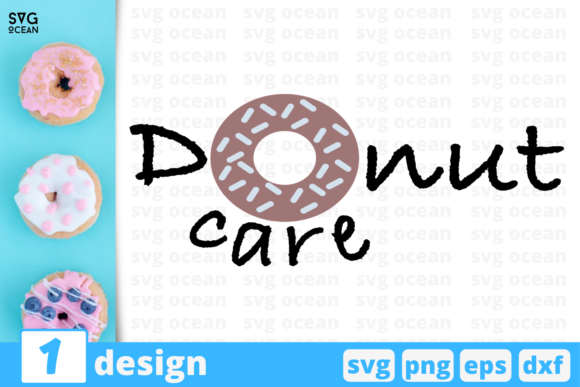
The first impression of Donut Care is undeniably playful. The typography suggests a relaxed, fun-loving attitude, while the implied imagery (a donut shape) offers a soft, rounded aesthetic that translates well into thread work. When I first opened the design files—typically provided in formats like SVG, DXF, PNG, and EPS within a zipped folder—the layout felt balanced. It avoids the cluttered look of many low-quality clip art pieces. Instead, it presents a clean visual personality that screams "handmade." This makes it an excellent candidate for craft business items where personality matters more than rigid corporate branding.
From Screen to Fabric: Real-World Performance
Let me walk you through a specific scenario. Imagine you are preparing a custom embroidered tote bag for a local craft fair or an Etsy listing. You want something that appeals to parents, teachers, or anyone with a sweet tooth. Donut Care fits this niche perfectly. The design's curves allow for a natural flow of satin stitch along the edges, creating a smooth, glossy finish that mimics the glaze of a real donut. However, the success of this project relies heavily on your setup.
In a practical application, such as embroidering a sweatshirt or a baby onesie, the design shines because of its moderate complexity. It does not require the extreme density of a photorealistic portrait, which reduces the risk of puckering on softer fabrics like cotton jersey. When I tested similar layouts on a 5x7 hoop, the lettering remained legible even at smaller scales, provided the font weight was sufficient. For a small shop owner, this means you can offer personalized gifts without worrying about tiny details disappearing into the weave of the fabric.
The versatility extends beyond apparel. I envision Donut Care looking fantastic on kitchen towels, aprons, or pillow covers. The theme aligns naturally with home decor, bringing a touch of whimsy to a functional item. If you are selling these as part of a holiday gift set, the design acts as a conversation starter. Customers love seeing unique, thematic elements that show effort and creativity. A simple text quote paired with a donut motif elevates the perceived value of the finished product, making it feel less like a mass-produced commodity and more like a thoughtful, handmade creation.
Navigating Technical Challenges and Limitations
While Donut Care is a strong contender for many projects, no design is universally perfect. As an experienced reviewer, I must highlight where caution is required. If you plan to use this design on a curved surface like a baseball cap, the curvature of the donut might distort slightly depending on the hoop size and the tension of the hat. Curved surfaces demand precise digitizing adjustments that a standard flat-file might not account for automatically.
Another critical area to consider is fabric texture. While the design works beautifully on smooth cotton or polyester blends, textured fabrics like heavy denim or bouclé can obscure the finer details of the stitching. On thin or stretchy fabrics, the stability of the design becomes paramount. Without proper stabilizer, the tension of the stitches could cause the fabric to pucker, ruining the clean lines of the quote. Always test the design on scrap fabric before committing to a final product, especially if you are using dark fabrics where thread contrast is vital.
Small hoop sizes present another potential hurdle. If you attempt to shrink the design too much for a patch or a small accessory, the running stitch areas might become too sparse, and the fill stitch sections could lose their definition. In such cases, the design might look muddy rather than crisp. It is essential to check the recommended dimensions for your specific machine and hoop before starting production. If the file includes vector data, ensure you are scaling correctly in your software, whether that is Cricut Design Space, Silhouette Designer Edition, or another embroidery program.
Strategic Use Cases for Small Business Owners
For those of you running an Etsy shop or a handmade brand, Donut Care offers a strategic advantage. It falls squarely into the "Graphics" category but serves a dual purpose as a functional embroidery file. This duality allows you to create physical products like tote bag designs and sweatshirt embroidery while also offering digital mockups for customers who cannot receive physical goods immediately.
- Apparel Decorators: Use the design for custom team shirts, event merch, or personalized gifts. The playful nature of the quote appeals to a wide demographic, from kids to adults.
- Digital Product Sellers: If you sell digital assets, Donut Care can be a great addition to your bundle, provided you clarify the usage rights for commercial embroidery projects.
- Boutique Branding: Incorporate the design into your packaging or tags to reinforce a friendly, approachable brand identity.
When integrating this into your workflow, remember to inspect small details closely. Does the spacing between letters hold up? Are the corners of the donut shape sharp enough? These nuances determine whether a product feels professional or amateurish. A well-executed embroidery project builds trust with buyers, encouraging repeat business and positive reviews.
Practical Notes for the Discerning Designer
Before you hit the "Start" button on your machine, there are several technical checks you should perform. First, review the stitch density. High-density designs can cause issues on delicate fabrics, so ensure the fill stitches are not too thick. Second, confirm the hoop size requirements. If the design is intended for a larger hoop, do not force it into a smaller one without adjusting the scale appropriately.
Thread color selection is equally important. A light-colored thread on a dark background might lack the necessary contrast to make the design pop, while a dark thread on a white background could appear too harsh. Experiment with different color combinations to find the balance that suits your brand aesthetic. Additionally, always test the design in black and white mockups to ensure the composition remains effective regardless of color.
If you intend to sell finished items featuring Donut Care, verify the licensing terms associated with the download. Some files are for personal use only, while others allow for commercial sales of physical products. Understanding these distinctions protects your business from legal complications. Finally, compare the design against other assets in your library. Does it fit seamlessly with your existing collection, or does it stand out in a way that disrupts your brand consistency?
In conclusion, Donut Care is a charming and versatile design that can elevate your embroidery projects when used with care. Its playful mood and clean layout make it suitable for a variety of applications, from baby items to holiday gifts. By paying attention to fabric choice, stabilizer support, and stitch settings, you can transform this digital asset into a high-quality finished product that delights customers and strengthens your reputation as a skilled maker. Whether you are a hobbyist or a seasoned entrepreneur, this design adds a sweet touch to your creative toolkit.