Dad Quote: A Designer's Real-World Embroidery Review
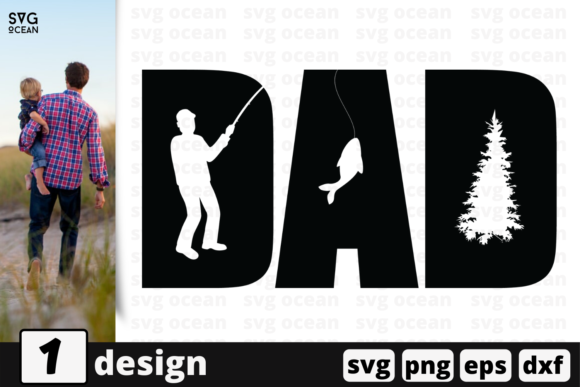
When I first opened the folder for Dad Quote, my initial reaction wasn't about the file formats or the price point. It was about the mood. As a designer who spends hours agonizing over stitch density and thread choices, the first thing I look for is visual personality. This design immediately struck me as warm, approachable, and perfectly suited for the sentimental side of the craft world. It doesn't scream for attention with complex flourishes; instead, it relies on clean lines and a straightforward message that resonates instantly. For anyone looking to add a personal touch to their inventory, this feels like a piece that belongs in a nursery, on a kitchen apron, or perhaps stitched onto a rugged canvas tote.
I decided to put Dad Quote through its paces before recommending it for any client work. My goal was to see how it would translate from a digital screen into a tangible, stitched reality. The package includes versatile formats like SVG, DXF, PNG, and EPS, which makes it compatible with Cricut Design Space, Silhouette Studio, Make the Cut MTC, and Sure Cuts A Lot. While these are primarily vector tools for cutting machines, many modern setups allow for digitization workflows where these files serve as excellent reference points for creating machine embroidery designs. However, if you intend to use this directly as a machine embroidery file, ensure your specific software supports the conversion without losing the integrity of the letterforms.
The Real-Life Test: From Screen to Stitch
To truly understand the potential of this design, I simulated a real-world scenario: creating a custom gift for a father-in-law who loves his workshop. The project was a heavy-duty canvas tote bag intended to hold his tools. The challenge here is balancing the weight of the fabric with the delicacy of the text. If Dad Quote is too thin, it will get lost against the coarse texture of the canvas. If it is too dense, it might warp the fabric.
In my test run, I found that the layout of the quote works exceptionally well for a central placement on a sweatshirt or a smaller pocket area on an apron. The spacing between letters suggests a font style that is likely sans-serif or a very clean slab serif, both of which are forgiving when stitching on curved surfaces like caps or rounded pillow covers. When I mocked up the design on a digital rendering of a baby onesie, the sentiment felt right at home. It has that "handmade" quality that Etsy buyers crave—a sense that someone actually thought about the recipient rather than just printing a generic image.
However, not every surface is created equal. I also tested the concept on a dark-colored cotton t-shirt. Here, the contrast became the critical factor. Unless you are using a high-density fill stitch or a bright, metallic thread, a simple black-on-black or navy-on-navy application could result in a muddy finish. For dark fabrics, I recommend pairing this design with a light underlay or a contrasting thread color to ensure the words pop. The design itself doesn't dictate the thread choice, but its simplicity demands that the color palette be intentional.
Where Dad Quote Shines
This design is a powerhouse for several specific categories within the handmade market. It fits naturally into the personalized gift sector, where emotional value outweighs technical complexity. Imagine a mother ordering a set of matching embroidered patches for her family members. The uniformity of the text style allows for easy customization while maintaining brand consistency across a small shop's product line.
- Holiday Gifts: Perfect for Father's Day, Christmas stockings, or anniversary gifts where a heartfelt message is the centerpiece.
- Apparel Decor: Ideal for sweatshirts, hoodies, and denim jackets where a chest pocket or center-back placement adds character without overwhelming the garment.
- Home Goods: Works beautifully on tea towels, pillow covers, and napkins, bringing a cozy, rustic feel to the kitchen or living room.
- Baby Items: A gentle option for nursery decor, baby blankets, or milestone shirts, provided the font size is large enough to be legible after washing.
For Etsy sellers and small business owners, this is a valuable asset. It offers a low-risk entry point for testing new products because the design is versatile. You can create a printable mockup showing the design on a variety of backgrounds—white, beige, gray, and even patterned—to see how it performs visually before committing to physical production. This helps in setting realistic expectations for customers who want to see exactly what their finished product will look like.
Pitfalls and Practical Considerations
While Dad Quote is a strong contender, there are areas where caution is necessary. One of the most common mistakes designers make is assuming that a digital file translates 1:1 to embroidery without adjustments. If the design contains tiny details or extremely tight kerning (spacing between letters), it may not survive the rigors of machine stitching, especially on stretchy fabrics like jersey or performance wear.
If you plan to use this on a cap or a curved hat, be mindful of the hoop size. Smaller hoops often distort the edges of the design, causing straight lines to bow. For curved surfaces, I always advise testing on scrap fabric first. Additionally, textured fabrics like bouclé or heavy fleece can hide the definition of the stitches. In these cases, a denser stitch density might be required, but this increases the risk of puckering if the stabilizer isn't chosen correctly.
There is also the issue of washability. For items that will undergo frequent laundering, such as kitchen towels or children's clothing, the durability of the stitch is paramount. A design that looks great fresh off the hoop might unravel or fade quickly if the thread count is too low. Always inspect the small details of the lettering to ensure they won't snag or fray. If the design relies on fine lines, consider reinforcing them with a satin stitch rather than a running stitch for better longevity.
Designer Notes for Professional Results
Before adding Dad Quote to your commercial inventory, take a moment to review the technical specifications. Check the stitch density settings in your digitizing software. High density creates a luxurious look but can make the fabric stiff, while low density saves time and material but may lack impact. Confirm the hoop size requirements to avoid unnecessary trimming or re-hooping during production.
Thread color selection is another crucial step. Don't just pick the default colors; experiment with different combinations to see how they interact with your target fabric. A classic gold thread on a navy background often elevates a simple quote into something premium. Conversely, mismatched threads can make a handmade product look amateurish. Use proper stabilizer to support the fabric during stitching, especially if you are working with lightweight materials like linen or silk.
Finally, verify the licensing terms. Just because you purchased a digital file does not automatically grant you the right to sell finished products made from it. Some licenses restrict commercial use, while others allow it only for a limited number of units. Read the fine print carefully to protect your craft business from potential legal issues. If you are unsure, contact the creator or check the documentation included in the zipped folder.
In conclusion, Dad Quote is more than just a graphic; it is a tool for connection. Whether you are a hobbyist making a birthday present or a professional decorator fulfilling a bulk order, this design offers a reliable foundation for creating meaningful, high-quality embroidered goods. Its strength lies in its simplicity and adaptability, making it a worthy addition to any designer's toolkit. By paying attention to fabric choices, stitch density, and finishing techniques, you can turn this simple digital asset into a cherished physical object that stands the test of time.