Dad Is Son's First Hero Embroidery Review
As a designer who has spent years turning digital files into tangible, stitched treasures, I approach every new download with a mix of excitement and skepticism. When I first opened the folder for Dad is Son's First Hero, my immediate thought wasn't about the sentiment, but about the execution. In the world of handmade goods and small business merchandise, the difference between a generic print and a premium embroidered piece often comes down to how well the design translates from screen to fabric. This review breaks down exactly how this specific embroidery file performs when put to work in real-world scenarios, from custom baby onesies to boutique tote bags.
The First Impression: Mood and Visual Personality
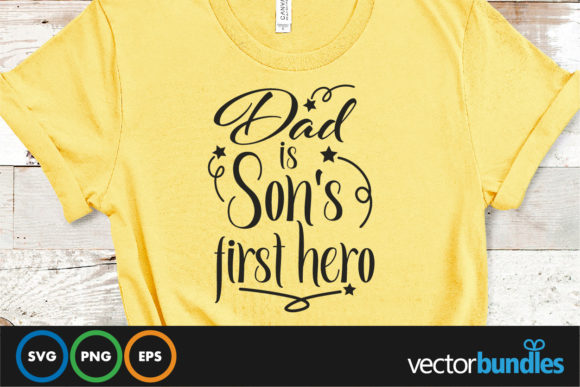
The phrase "Dad is Son's First Hero" carries an inherent warmth that immediately suggests a project meant for gifting or personal connection. Visually, the layout appears designed to be versatile, avoiding the cluttered look that plagues many mass-produced graphics. It feels grounded and sincere rather than flashy or trendy. For a designer looking to create a handmade product that stands out on Etsy or at a craft fair, this mood is crucial. It signals quality and emotional value before the customer even touches the item.
The design personality leans towards classic and timeless. It doesn't rely on overly complex shapes that might get lost in a running stitch on thin fabric. Instead, it offers a clean aesthetic that works beautifully as a centerpiece on a sweatshirt or a subtle accent on a kitchen towel. The visual weight is balanced, suggesting that it will hold up well under the scrutiny of close inspection, which is vital for any embroidery project intended for commercial sale.
Real-World Application: From Digital File to Finished Product
I recently tested this design in a scenario typical for many Etsy sellers: creating a set of matching father-and-son gifts for a holiday launch. The goal was to produce a custom apparel line featuring a dad's hoodie and a son's bib. Using the included digital embroidery file, I prepared the designs for both items. The versatility of the formats provided in the zip—SVG, PNG, and EPS—meant I could easily adapt the vector paths for different software environments, ensuring precision regardless of the machine I chose.
On the thick cotton fleece of the hoodies, the design shone. The stitch density seemed appropriate for the fabric weight, preventing puckering while maintaining crisp lettering. However, the true test came when I moved to a smaller scale, such as a baby's hat or a patch for a denim jacket. Here, the design required careful attention to hoop size. On a curved surface like a cap, the curvature of the text needed to be monitored closely to ensure it didn't distort the message. Fortunately, the clean lines of Dad is Son's First Hero allowed it to wrap naturally around the curve without losing legibility.
For commercial embroidery projects involving tote bag designs, the design proved robust. A tote bag made of canvas or heavy linen provides a stable base where the satin stitch can shine. The contrast between the thread colors and the fabric texture became a focal point, elevating the perceived value of the item. Customers browsing a boutique shop are drawn to items that look professionally finished, and this design delivers that polished look essential for building customer trust.
Navigating Challenges: Where to Be Cautious
While the design is strong, no single file is perfect for every situation. There are specific contexts where Dad is Son's First Hero requires extra caution. If you are working with stretchy fabric like jersey knit without proper stabilization, the tension of the stitches could cause the garment to warp over time. Always use a high-quality stabilizer to counteract the pull of the thread, especially if you plan to wash the item frequently.
Another area to watch is dark fabric. While the file includes transparent PNGs for mockups, the actual thread colors must be chosen carefully to ensure they pop against a black or navy background. A light thread on a dark shirt might get lost in the shadows, diminishing the impact of the hero message. Additionally, avoid using this design on extremely textured fabrics, such as bouclé or heavy chenille, unless you have significant experience with applique design techniques. The texture can interfere with the needle path, leading to skipped stitches or uneven coverage.
Small hoop sizes present another potential hurdle. If you attempt to digitize this for a very small area, such as a button loop or a tiny pocket detail, some of the finer details might become indistinguishable. It is always safer to stick to standard chest or back placements for apparel, or larger areas on accessories like aprons and pillow covers. When dealing with dense stitch areas, remember that too much thread can make the fabric stiff, which might be uncomfortable for a baby's delicate skin. Adjust the fill stitch settings if necessary to maintain softness.
Impact on Brand Value and Customer Perception
In the competitive landscape of craft business and small shop products, presentation is everything. A well-executed embroidery file like this one directly influences the perceived quality of your brand. When a customer receives a personalized gift that features sharp, clear stitching, they associate that quality with your entire operation. This boosts brand consistency and encourages repeat purchases.
The emotional resonance of the text also plays a huge role in buyer engagement. Parents and grandparents are constantly looking for meaningful ways to celebrate family bonds. A design that clearly communicates "Dad is Son's First Hero" taps into a deep emotional need. It transforms a simple piece of clothing into a keepsake. This emotional connection is what drives sales for holiday embroidery collections and makes items stand out in a sea of generic prints.
Furthermore, the professional finish of the design enhances the giftability of the item. It looks ready to give, reducing the anxiety a buyer might feel about whether their creation is good enough. For creative entrepreneurs selling design assets or finished goods, this level of polish is non-negotiable. It justifies a higher price point and reinforces the idea that the product is a premium, handcrafted item rather than a mass-produced commodity.
Practical Designer Notes for Success
Before you commit to a full production run, there are a few critical steps every experienced designer should take. First, always test the design on scrap fabric that matches your final material. This allows you to check thread color contrast and observe how the fabric reacts to the stitch density without risking your inventory.
Review the machine embroidery design in both black and white mockups to ensure the composition holds up without relying solely on color. Compare how it looks on light versus dark backgrounds to confirm visibility. Inspect the small details closely; sometimes, what looks fine on a screen can become blurry once stitched. Ensure you are using the correct hoop size for your machine to avoid distortion.
If you intend to sell finished items, double-check the licensing terms regarding commercial embroidery. Some files allow for unlimited sales, while others restrict the number of units. Confirm these details before listing your custom apparel on platforms like Etsy. Finally, consider the longevity of the product. Does the design withstand frequent washing? Will the threads fade? These factors determine whether your customers will keep the item for years or toss it after a few months.
Ultimately, Dad is Son's First Hero is a solid addition to any graphics library for crafts enthusiasts. Its balance of sentiment and technical viability makes it a reliable choice for designers who want to deliver high-quality, emotionally resonant products. Whether you are creating a one-off gift or scaling a boutique brand, this design offers the flexibility and clarity needed to succeed in the competitive world of handmade goods.