Cut It Out: A Designer's Real-World Embroidery Review
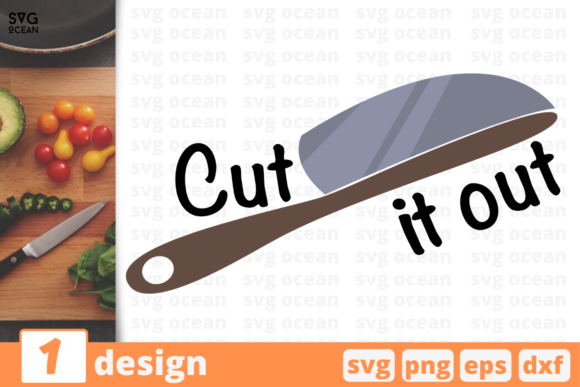
When I first opened the folder for Cut It out, I didn't just see a graphic; I saw a mood. The typography is bold, slightly playful, and carries an attitude that screams confidence. As someone who spends hours staring at stitch density charts and testing thread tension on various fabrics, my initial reaction was practical curiosity. Does this design translate well from a digital screen to a physical textile? Can it stand up to the rigors of machine embroidery, or is it destined to look messy after a few washes?
The phrase itself suggests action and decisiveness. In a world of soft, flowery embroidery motifs, Cut It out offers a sharp contrast. It feels right at home in modern craft businesses, boutique apparel lines, and personalized gifts where a touch of personality is required. But before I commit to stitching this into a client's order, I need to know how it performs under pressure.
First Impressions: Mood and Visual Personality
The layout of Cut It out strikes me as versatile yet distinct. The lettering style appears designed to catch the eye immediately, making it an excellent candidate for statement pieces. Whether you are looking to create a custom tote bag for a local market or designing a sweatshirt for a creative agency, this design brings a level of visual punch that generic text files often lack.
In terms of visual appeal, the design relies on strong lines and clear spacing. This is crucial because embroidery is a medium of texture and light reflection. Unlike a flat print, stitches have depth. A design with too much intricate detail can get lost in the fabric weave, but Cut It out seems to prioritize readability over complexity. This makes it an ideal choice for products where the message needs to be understood instantly, such as on a kitchen towel hanging in a busy home or a patch on a denim jacket.
Real-Life Scenario: The Custom Tote Bag Project
To truly evaluate this design, I imagine a specific project scenario. Let's say I am preparing a batch of custom embroidered tote bags for a holiday gift shop. These bags will be sold to customers looking for unique, handmade items that support small business owners. The goal is to create a product that feels premium but remains affordable.
I place the Cut It out file onto a mockup of a canvas tote. Visually, it looks fantastic. The placement on the front panel is balanced, and the size allows for the text to breathe without overwhelming the bag. However, the real test happens when I move to the machine. I select a high-quality cotton thread that contrasts sharply against the natural canvas color. As the needle begins its work, the satin stitch definition holds up well. There are no jagged edges or loose threads that might suggest a low-quality file. The finished product has a crisp, professional look that elevates the perceived value of the item. Customers browsing a craft fair table would likely pause to read the quote and appreciate the quality of the stitching.
This same logic applies to other projects like baby clothes or nursery decor. Imagine Cut It out stitched onto a onesie for a newborn. The boldness of the text adds a fun, modern twist to traditional baby items. For a commercial embroidery project, such as branding aprons for a bakery, the design serves as a memorable logo element that reinforces brand identity. It transforms a standard utility item into a piece of wearable art.
Performance Across Different Materials and Products
The versatility of this embroidery file extends beyond just canvas. When considering custom apparel like hoodies or sweatshirts, the design adapts beautifully to the thicker fabric structure. The fill stitches provide enough coverage to hide the underlying material, ensuring the text remains legible even on textured fleece. For embroidered patches, the clean lines make it easy to trim away excess stabilizer, resulting in a neat finish that adheres well to hats or backpacks.
However, not every surface is created equal. While Cut It out excels on stable fabrics, there are situations where caution is required. On thin, stretchy materials like lightweight jersey or silk, the density of the stitches could cause puckering if not managed correctly. Similarly, working on dark fabrics requires careful consideration of thread colors. If the background is black, a white or light-colored thread will pop, but a dark thread might disappear entirely, negating the impact of the design.
For curved surfaces like caps, the design needs to be evaluated for distortion. While the file formats provided are suitable for various software, the curvature of a hat can alter the perception of the text width. Testing the design on a curved surface mockup is essential before running a full production run. Additionally, for products that require frequent washing, such as kitchen towels or aprons, the stability of the stitches is paramount. High-density areas must be secure to prevent fraying over time.
Where to Exercise Caution
While Cut It out is a robust design, there are specific constraints every designer must respect. Small hoop sizes present a significant challenge. If the design includes tiny details or tight kerning, reducing the size to fit a 4x4 inch hoop might result in lost information or a cluttered appearance. Always inspect the small details closely when scaling down.
Textured fabrics, such as corduroy or bouclé, can obscure the clarity of the stitching. The uneven surface may interfere with the needle's path, leading to inconsistent stitch lengths. In these cases, using a proper stabilizer is non-negotiable. A tear-away or cut-away stabilizer will help anchor the fabric and maintain the integrity of the design. Furthermore, layered garments or items with complex seams can make it difficult to achieve a flat, professional finish. If the fabric bunches up during stitching, the final product will look unprofessional, potentially damaging your reputation as a Etsy seller or small shop owner.
Practical Notes for the Embroidery Designer
Before you hit the "start" button on your machine, there are several steps you should take to ensure success. First and foremost, test the design on scrap fabric. This simple step can save you hours of rework and wasted materials. Check the thread color contrast by creating a black-and-white mockup. Sometimes, colors that look good on a screen do not translate well to thread due to lighting differences.
Review the stitch density carefully. If the design feels too dense, consider adjusting the settings to reduce the number of stitches per inch, which can improve the drape of the fabric. Confirm your hoop size matches the dimensions of the design to avoid cropping issues. Inspect small details like the ends of letters or any decorative accents to ensure they are not too fine for your machine's capabilities.
It is also vital to check the licensing terms. Even though the product description mentions formats like SVG, DXF, PNG, and EPS, the usage rights for commercial purposes can vary. Ensure you have permission to sell finished items made with this design, especially if you plan to use it for commercial embroidery projects. Finally, compare the design on both light and dark backgrounds to verify its versatility. Using proper stabilizer is another critical factor; without it, even the best design can fail on unstable fabrics.
Final Verdict on Visual Impact and Value
In conclusion, Cut It out is more than just a download; it is a tool for building trust and enhancing presentation. A well-executed embroidery project signals professionalism and care to the buyer. When a customer receives a personalized gift or a boutique product featuring this design, they notice the quality of the work. This attention to detail fosters brand consistency and encourages repeat business.
The design fits seamlessly into the crafts and graphics categories, offering a bridge between digital creativity and tangible craftsmanship. Whether you are a hobbyist making a one-off gift or a creative entrepreneur scaling a line of handmade products, this file provides a solid foundation for your next project. By understanding its strengths and limitations, you can leverage Cut It out to create stunning finished products that resonate with your audience.
Remember, the difference between a good project and a great one often lies in the preparation. Take the time to test, adjust, and perfect your approach. With the right technique, Cut It out can become a staple in your collection of design assets, helping you deliver exceptional results for every embroidery project you undertake.