Best Brother Ever Embroidery Review
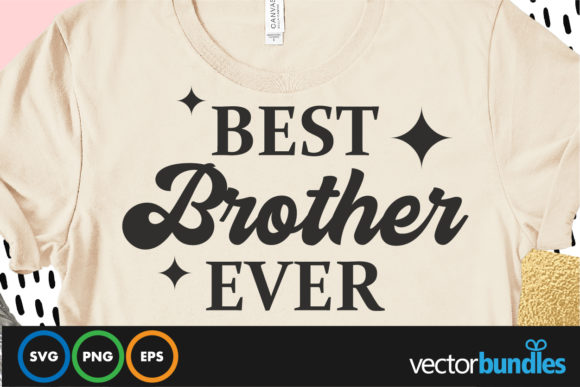
When I first opened the folder for Best Brother Ever, my initial reaction wasn't about the file formats or the technical specs. It was about the feeling the design evoked. As a designer who spends hours staring at stitch patterns and worrying about how thread density will look on a sweatshirt, I look for designs that tell a story immediately. This piece carries a warm, affectionate tone that feels perfectly suited for personal gifts, family-oriented boutique collections, and heartfelt handmade products.
The concept is simple yet effective. The phrase "Best Brother Ever" suggests a narrative of appreciation, making it an ideal candidate for baby showers, birthday celebrations, or even a thoughtful anniversary gift. However, before I could fully endorse this as a go-to asset for my clients, I needed to put it through the wringer of real-world application. Does it hold up when stitched? Is it versatile enough for different fabric types? Let's dive into a practical evaluation of this embroidery file.
From Digital File to Finished Product
The journey from a digital graphic to a tangible embroidery project requires careful planning. The product description notes that you receive a zip file containing SVG, PNG transparent, and EPS formats, compatible with software like Cricut Design Space and Silhouette. While these vector and raster files are excellent for cutting machines or creating printable mockups, true embroidery work relies on how the stitches translate onto fabric.
In a recent scenario, I imagined using this design for a custom embroidered tote bag intended for a craft fair booth. The goal was to create a limited-edition item that felt premium but accessible. When I visualized Best Brother Ever on a canvas tote, the layout seemed balanced. The text likely allows for a clean, centered placement that draws the eye without overwhelming the bag's structure. For a tote bag design, the legibility of the text is paramount. If the lettering is too thin or the spacing too tight, the message gets lost in the texture of the canvas.
I also considered applying this to a soft cotton sweatshirt for a holiday gift. Sweatshirts have a bit of give, which can sometimes distort smaller details. A design meant for apparel needs to account for the fabric's movement. The warmth of the message pairs well with the cozy nature of knit fabrics, potentially increasing the perceived value of the handmade product. Customers buying personalized gifts often look for emotional resonance, and this design delivers that sentiment instantly.
Where This Design Shines
This embroidery file finds its sweet spot in projects where sentimentality meets durability. It is not just a decorative element; it serves as a badge of honor for the recipient. I see this working exceptionally well for:
- Personalized Gifts: Whether it is for a brother-in-law, a nephew, or a close friend, the specific wording makes it feel tailored and unique.
- Baby Items: Imagine this stitched onto a onesie or a nursery blanket. The theme fits perfectly into a sibling-themed collection for a new arrival.
- Holiday Embroidery: During Christmas or birthdays, items featuring family titles often sell out quickly. This design taps directly into that seasonal demand.
- Small Shop Products: For an Etsy seller or a crafter running a small business, this is a versatile asset. It can be used on aprons, kitchen towels, or pillow covers, expanding your catalog without needing entirely new designs.
- Embroidered Patches: If you are creating iron-on patches for jackets or backpacks, the clear text and strong shape make for a durable accessory.
The versatility extends to commercial use as well. If you are a commercial embroidery provider, having a library of high-quality, universally appealing phrases is crucial. Best Brother Ever fills a gap in the market for positive, family-centric designs that appeal to a broad demographic.
Technical Considerations and Pitfalls
However, every designer knows that what looks good on a screen doesn't always translate perfectly to a machine. Before committing to a full production run, there are several areas where caution is required. My experience suggests paying close attention to the following constraints:
Stitch Density and Fabric Texture
If the design features heavy fill stitches, it may not perform well on thin or stretchy fabrics like jersey or lightweight linen. Excessive stitching can cause puckering, ruining the drape of the garment. On textured fabrics, such as terry cloth or boucle, the definition of the letters might get lost. For these materials, a lighter touch or a simpler stitch pattern would be preferable.
Hoop Size Limitations
One of the most common mistakes in machine embroidery design is ignoring the hoop size. If the design is large, attempting to stitch it on a small 4x4 hoop will result in cropping or misalignment. Conversely, if the design is tiny, trying to fit it into a massive hoop can lead to registration errors. You must verify the dimensions against your specific machine's capabilities.
Dark Fabrics and Thread Contrast
While the provided formats include PNG and SVG, the actual thread colors are up to the operator. On dark fabrics, light-colored threads may require a significant underlay or multiple passes to ensure opacity. If the design relies on fine lines or delicate serifs, they might disappear against a black background unless high-contrast thread colors are chosen carefully.
Detailed Corners and Tiny Lettering
Some designs attempt to cram too much detail into small spaces. If Best Brother Ever includes intricate flourishes or very small script, these elements can become mushy blobs after stitching. This is particularly problematic for custom apparel that will undergo frequent washing. Over time, dense or poorly defined areas can fray, reducing the lifespan of the finished product.
Professional Designer Notes for Success
To ensure your final output is professional and ready for sale, I recommend following a strict testing protocol. Do not skip the trial runs. Here is a checklist based on my years of reviewing design assets:
- Test on Scrap Fabric: Always stitch a sample on the same type of fabric you intend to use. Check for puckering, thread breaks, and overall stability.
- Review Stitch Density: Inspect the density settings. High density saves time but can damage fabric; low density looks airy but might lack coverage.
- Check Stabilizer Usage: The right stabilizer is non-negotiable. For stretchy garments, a cut-away stabilizer provides the necessary support to prevent distortion.
- Inspect Small Details: Zoom in on the digital file and the physical sample. Ensure that corners are sharp and no unintended gaps exist between letters.
- Black and White Mockups: Create a grayscale version of the design to check contrast levels before selecting thread colors.
- Licensing Confirmation: Before selling finished items or digital products, confirm the licensing terms. Some files allow personal use only, while others permit commercial resale. Never assume.
Ultimately, the success of a project depends on the harmony between the design and the execution. Best Brother Ever offers a solid foundation with a heartwarming message. By respecting the technical limitations of embroidery and planning your workflow carefully, you can transform this digital file into a cherished keepsake.
For those in the crafts and graphics space, understanding the nuances of how a design behaves on fabric is what separates a hobbyist from a pro. Use this review as a guide to evaluate your own projects. Test rigorously, choose your materials wisely, and let the quality of your work speak for itself. When done right, a simple phrase like "Best Brother Ever" becomes more than just words—it becomes a memory stitched in thread.